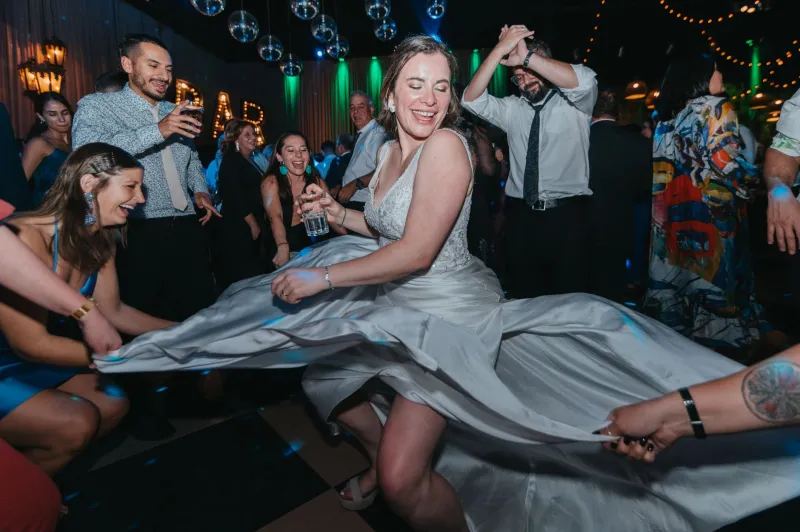
Surprise! You Have Extra Guests: How to Handle Wedding Crashers and Uninvited Plus-Ones Without Losing Your Cool
You spent months agonizing over that guest list. You negotiated with your future in-laws. You cried a little. You cut your college roommate's entire friend group. And then — somehow — your wedding day still ends up with people in the room you never invited.
It happens more than the wedding industry likes to admit. Whether it's a well-meaning aunt who assumed her adult kids were included, a friend who misread "plus-one" as "plus three," or an actual stranger who followed the floral arrangements into the wrong ballroom, uninvited guests are a real thing. And they can throw off everything from your seating chart to your catering headcount to your general sense of calm.
The good news? You can handle this gracefully. Here's what to know — before the big day and in the moment.
The Sneakiest Culprit: The Assumed Plus-One
Let's be honest: the most common "uninvited guest" situation isn't a movie-style wedding crasher. It's someone who assumed they could bring a date.
Maybe your invitation said "and guest" for one person, and they brought two. Maybe a family member decided their new partner of three weeks was obviously included. Maybe someone just... didn't read the RSVP card carefully.
The fix here starts way before the wedding. When you send invitations, be explicit. Address envelopes to the exact people who are invited — "Sarah Thompson" not "Sarah Thompson and Guest" if no guest is intended. Use your wedding website to clearly spell out your plus-one policy. And if you have family members who are notorious for pushing boundaries, consider a quick, friendly phone call when the invites go out: "We're so excited for you to be there! Just so you know, we had to keep it really tight, so it's just you on the invite."
Awkward? A little. Way less awkward than scrambling for an extra chair at the rehearsal dinner.
When the RSVP System Breaks Down
Even when you do everything right, some people just don't communicate clearly. You might find out two days before the wedding that your cousin RSVPed for one but is now bringing a partner. Or that a family friend who never responded at all is planning to show up anyway because "of course they're coming."
For last-minute additions that come before the wedding, it's worth deciding in advance what your threshold is. Are you willing to accommodate one or two extra people if the caterer allows it? Or is your venue truly at capacity?
If you can absorb a small number of additions without it wrecking your budget or your seating chart, it's often worth the peace of mind. Call your caterer early — most can handle a small headcount bump if given a few days' notice, though it will cost you. Your venue coordinator may also be able to help you quickly adjust a table configuration.
If you genuinely cannot accommodate extra guests, you'll need to have that conversation. Keep it simple and kind: "We're so sorry — we're completely at capacity and the caterer has a firm final count. We'd love to celebrate with you another time." You don't owe anyone a detailed explanation. "At capacity" is a complete sentence.
Actual Wedding Crashers: Rarer Than You Think, But Real
True, uninvited strangers showing up at weddings are less common than Hollywood suggests — but they do happen, especially at larger venues that host multiple events, outdoor ceremonies in public spaces, or receptions at popular destination spots.
If you're worried about this, a few practical steps can help:
Use a check-in process. Work with your venue coordinator or a designated point person (a trusted friend or hired coordinator) to check guests in against a list. It doesn't have to feel like airport security — a simple sign-in table with a seating chart works fine.
Brief your venue staff. Let the event staff know you'd like them to gently redirect anyone who seems lost or unfamiliar with the event details.
Have a go-to person. Designate someone — not you, not your partner — to handle any awkward situations that come up during the event. This could be your wedding coordinator, a particularly composed family member, or a trusted friend who won't panic. Their job: handle it quietly, keep you informed only if necessary, and protect your peace.
If an actual uninvited person does show up, the approach is the same as any uncomfortable guest situation: calm, direct, and private. Pull them aside (don't make a scene), explain that there's been a mix-up, and let them know they're not on the guest list. If they become disruptive, your venue staff or a coordinator should step in — that's not a situation you should have to manage yourself on your wedding day.
Seating and Catering: The Practical Scramble
So someone extra is definitely staying. Now what?
First, loop in your catering manager immediately. Explain the situation honestly — most vendors have been through this and can often add a meal, especially if there's any buffer built into the count. Expect to pay for it; don't expect a favor.
For seating, a few quick fixes:
- Add a chair to an existing table if the layout allows (check with your venue first — fire codes and table sizes matter).
- Create a small "overflow" spot near the bar or lounge area if you have one
- Ask your coordinator if there are any no-shows whose seats are now available
The honest truth is that most weddings have a small number of RSVPed guests who don't show. It's frustrating in its own way, but it does create a natural buffer for surprise additions.
Protecting Your Relationships (and Your Sanity)
The hardest part of all of this isn't the logistics — it's the emotional weight. You don't want to be the couple who caused a family feud over a seating chart. But you also put real thought, money, and energy into creating a specific experience for a specific group of people.
Both of those things are true at the same time.
The key is to handle unexpected guest situations with consistency. If you make an exception for one person, be prepared to do it for others — or to have a very clear reason why you couldn't. And if you have to say no, say it kindly, say it once, and then let it go. You cannot control how people feel about your guest list. You can only control how you communicate it.
After the wedding, if someone is genuinely hurt about not being included or being turned away, a heartfelt note or a small celebration coffee goes a long way. Most people, when treated with respect, come around.
The Bottom Line
No guest list survives first contact with reality completely intact. Someone will misread an invitation. Someone will assume. Someone might just show up. What matters most is that you have a plan — and that you've got someone in your corner to handle the chaos so you don't have to.
Your wedding day is yours. A little preparation and a lot of grace can keep it that way, even when the headcount gets a little fuzzy.