Honeymoon Debt Is Real: How to Plan an Amazing Trip Without Wrecking Your Financial Future

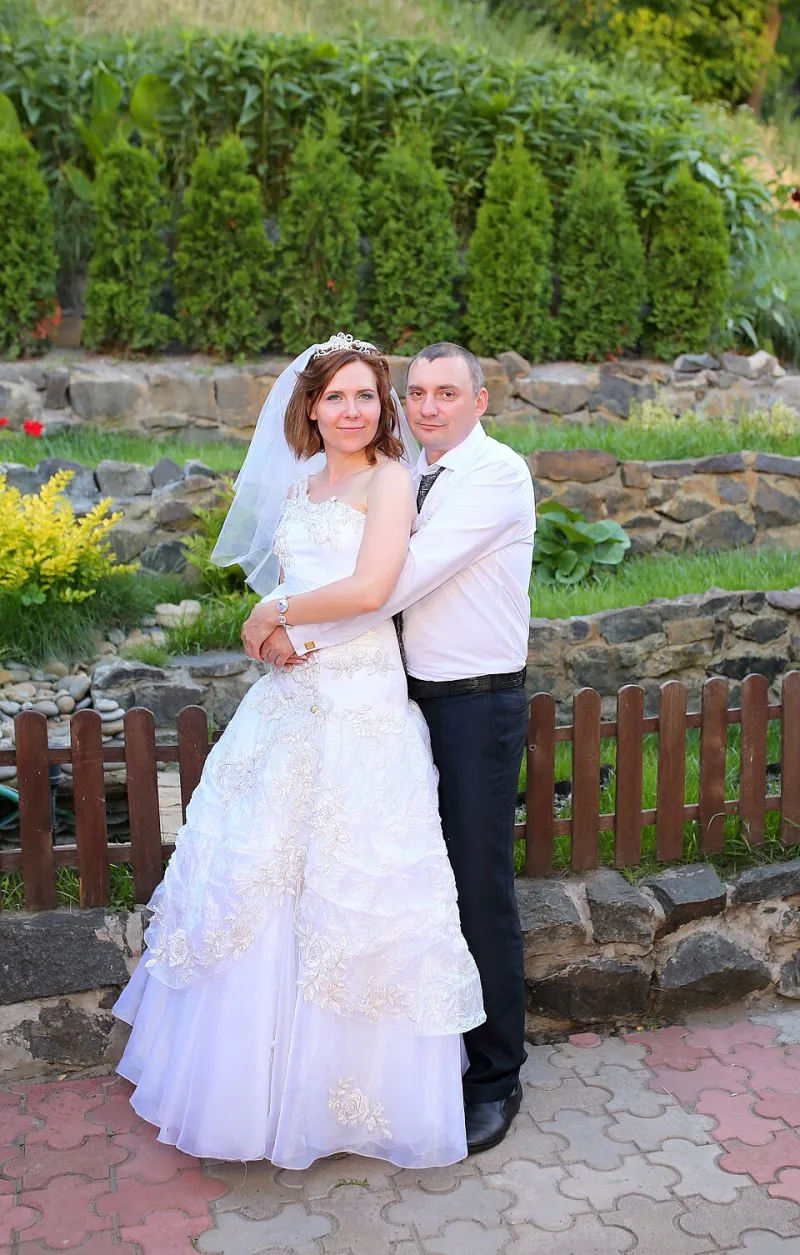
Photo by Photo by Vitaly Gariev on Unsplash on Unsplash
Somewhere between the engagement party and the final venue walkthrough, a quiet cultural message gets delivered to almost every couple: you deserve the honeymoon of your dreams, no matter what it costs.
It sounds generous. It feels affirming. And honestly? It sells a lot of all-inclusive resort packages.
But here at Ted Wedding, we believe your dream wedding — and everything that comes after it — should be built on choices that actually serve your life together. That includes the honeymoon. So let's have the conversation that most travel blogs don't want to have with you.
The "You Deserve It" Trap
Marketing to newlyweds is a refined art. The honeymoon industry is very good at framing luxury travel as something couples have earned — as if the stress of wedding planning is a currency you can exchange for a $12,000 trip to the Maldives.
And look, if you have the cash saved and the Maldives is genuinely your dream, go for it. This article isn't anti-travel or anti-luxury. It's anti-financial-damage-disguised-as-romance.
The reality is that a significant number of American couples put honeymoon expenses on credit cards and spend months — sometimes years — paying them off. According to various surveys, the average US honeymoon runs between $4,500 and $5,000, and that number climbs considerably when couples feel pressure to match what they see on social media. Carrying that debt into your first year of marriage adds a layer of financial stress that no amount of beach sunsets can fully offset.
What Are You Actually Buying?
Before you book anything, it's worth having an honest conversation with your partner about what you're really hoping to get out of the honeymoon experience.
Is it:
- Relaxation and decompression after months of planning stress?
- Adventure and novelty — seeing somewhere neither of you has been?
- Quality time together without the noise of regular life?
- A specific bucket-list destination you've both genuinely talked about for years?
- Instagram content that signals a certain lifestyle? (It's okay to be honest here.)
The answers matter because they determine what you actually need to spend. Relaxation and quality time together don't require a transatlantic flight. Adventure can happen domestically. A bucket-list destination might be worth saving for a first anniversary trip instead of rushing into it while you're financially depleted post-wedding.
Reframing the Timeline
One of the most underrated honeymoon strategies is the mini-moon now, big trip later approach, and it's gaining real traction among couples who are thinking clearly about their finances.
The idea is simple: take a shorter, more affordable trip immediately after the wedding — a long weekend in a charming spot, a few nights at a nice hotel within driving distance, or even a staycation in a great city you've been meaning to explore. Then, a few months or a year down the road, take the bigger trip you actually want when you've had time to save for it properly.
This approach gives you the immediate reset you need after the wedding without the financial pressure of a major international trip. And honestly? A lot of couples report that they were so exhausted after the wedding that they barely remember the first few days of their honeymoon anyway. Saving the big experience for when you're actually present for it makes a lot of sense.
Practical Ways to Reduce Honeymoon Costs Without Reducing the Experience
If you're committed to a honeymoon right after the wedding, there are smart ways to bring the cost down without making the trip feel budget-grade.
Use credit card points strategically. If you've been engaged for six months or more, this is enough time to open a travel rewards card, meet a sign-up bonus, and accumulate meaningful points. Many couples cover flights or hotel stays entirely through points, which dramatically changes the math. Just make sure you're paying off the balance monthly — carrying interest erases the value of the rewards.
Travel in shoulder season. Avoid peak travel weeks for your destination. The difference between traveling to Europe in August versus October can be hundreds of dollars per flight and significantly lower hotel rates. The experience is often better in shoulder season anyway — fewer crowds, easier restaurant reservations, more authentic interactions.
Be honest about what you'll actually use. All-inclusive resorts sound like a great deal until you realize you're not big drinkers and you're going to want to leave the property half the time anyway. Do a real accounting of how you actually vacation before defaulting to the most expensive option.
Ask for honeymoon fund contributions instead of traditional gifts. Platforms like Zola and Honeyfund make it easy for guests to contribute to specific experiences — a couples' massage, a dinner reservation, an excursion — rather than buying you a fourth set of salad tongs. Many couples find this covers a meaningful portion of their trip costs.
The Conversation You Need to Have Before You Book
Sit down with your partner and look at your actual financial picture post-wedding. What does your combined savings look like? Do you have any high-interest debt? Are you planning to buy a home in the next couple of years? Do either of you have student loans that are actively stressing you out?
None of this means you can't travel. It means you're making a travel decision that's connected to your real life rather than disconnected from it. A $3,000 trip that leaves your emergency fund intact is a better choice than a $7,000 trip that wipes it out — even if the $7,000 trip has better Instagram potential.
Your first year of marriage is a financial foundation. The habits and decisions you make in that window — how you talk about money, how you prioritize spending, how you handle financial stress together — tend to set patterns that last. Starting that year with a manageable honeymoon budget is an act of care for your relationship, not a compromise.
Some Destinations Worth Considering
If you're open to alternatives to the traditional Caribbean or European honeymoon circuit, here are a few directions that tend to offer strong experiences at lower price points:
- National Parks road trip — underrated, genuinely stunning, and far less expensive than international travel
- Mexico's Pacific Coast (Puerto Vallarta, Sayulita, Oaxaca coast) — beautiful, great food, more affordable than the Caribbean
- New Orleans or Savannah — romantic, walkable, culturally rich, and no passport required
- A cabin rental in a scenic area (Smoky Mountains, Hudson Valley, Colorado) — private, peaceful, and often surprisingly affordable
The destination matters far less than the quality of time you spend there. Couples have had transformative honeymoons in a rented cabin two hours from home. Others have had forgettable ones in five-star resorts they couldn't really afford.
The Bottom Line
Your honeymoon should feel like a beginning, not a bill. Plan something that reflects who you actually are as a couple — your real interests, your real budget, your real vision for the life you're building together.
The trip of a lifetime doesn't have to happen the week after your wedding. But a strong financial foundation? That one's worth starting right away.