Dress Catastrophes Happen: How to Build a Wedding Emergency Kit That Actually Saves the Day
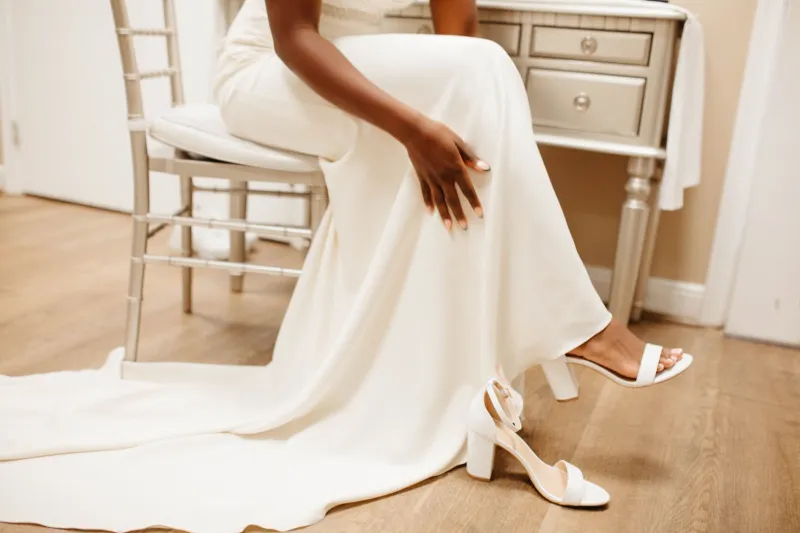
Let's be honest for a second. You've spent months obsessing over every detail — the centerpieces, the seating chart, the font on the menus. And yet the thing most likely to send you into a full spiral on your wedding day isn't a vendor no-show or a family feud. It's a popped seam at the reception entrance. A red wine splash across the bodice. A broken heel at the exact moment you're about to walk down the aisle.
Wardrobe disasters are basically a wedding rite of passage. They happen to brides in $10,000 gowns and bridesmaids in budget dresses alike. The good news? Most of them are totally fixable — if you've got the right stuff on hand. Here's how to build a wedding emergency kit that actually earns its place in the bridal suite.
Think Beyond the Basics (Seriously, Everyone Knows About Safety Pins)
Yes, safety pins are essential. But if your emergency kit starts and ends there, you're leaving yourself wildly underprepared. The goal isn't just to patch things together — it's to handle the actual scenarios that real couples run into on real wedding days.
Think about what can go wrong in the hours between getting dressed and the last dance. Buttons pop. Zippers stick. Tulle catches on chair legs and tears. Heels sink into grass. Deodorant leaves marks on dark suits. Sweat happens. Tears happen (the happy kind and the stress kind). Your kit needs to be ready for all of it.
The Full Packing List — No Fluff, Just the Real Stuff
For clothing emergencies:
- Safety pins in multiple sizes (seriously, buy more than you think you need)
- Clear elastic bands for bouquet wrist loops and quick fixes
- Fabric tape (the double-sided kind is a lifesaver for plunging necklines that won't stay put)
- A small travel sewing kit with white, ivory, and black thread
- Hem tape for last-minute length adjustments or ripped linings
- Bra cups or silicone inserts if the dress doesn't have built-in support
- Strapless bra or fashion tape for guests who didn't plan ahead
For stains and spills:
- Tide To Go pens — plural, not singular
- White wine to blot red wine (yes, really — this trick works)
- Baby wipes for general surface stains on skin and light fabrics
- Cornstarch or baby powder for grease stains on fabric
- A lint roller for pet hair, dust, or anything that showed up uninvited
For shoes and accessories:
- Moleskin or gel inserts for blisters that are forming by hour two
- Bandages in multiple sizes (feet take a beating at weddings)
- Super Glue for a heel that separates from a sole mid-reception
- A backup pair of flats — this is non-negotiable if you're wearing heels
- Clear nail polish to stop a run in stockings from spreading
For hair and makeup:
- Bobby pins and clear hair elastics
- Travel-size hairspray
- Blotting papers for shine
- Pressed powder that matches your skin tone
- Lipstick or gloss in the shade you're wearing
- Waterproof mascara for touch-ups (and crying)
For weather and comfort:
- A travel umbrella that fits in a tote bag
- Individually wrapped antacids and pain reliever
- Mints or gum (not gum if you're wearing lipstick — mints)
- A small portable fan if you're getting married anywhere warm
- Hand warmers for fall and winter weddings
Where to Keep It — Location Matters More Than You'd Think
Here's the thing about an emergency kit: it only works if it's actually accessible when something goes wrong. Leaving it in the car or buried in someone's checked luggage is basically the same as not having one.
Ideal placement is a two-spot strategy. Keep a full kit in the bridal suite or getting-ready room, and pack a smaller, portable version that travels with your wedding party through the ceremony and into the reception. A large cosmetic bag or a small tote works perfectly. Label it clearly so no one has to dig around trying to figure out if the Tide pen is in there.
For outdoor weddings, add a third location: have your coordinator or a trusted bridesmaid keep a small pouch near the ceremony space. Grass stains, wind-blown veils, and unexpected rain don't wait for you to run back inside.
Assign the Kit to Someone Who Will Actually Use It
This is the part people skip, and it's the most important step. An emergency kit without a designated handler is just a bag of stuff sitting in a corner. Someone needs to own it.
That person should not be the couple getting married. It should also probably not be a bridesmaid who tends to get a little swept up in the excitement (you know who she is). The best candidate is your maid of honor if she's the calm-under-pressure type, a professional day-of coordinator, or a super reliable family member who isn't in the wedding party and won't be distracted.
Brief that person in advance. Walk them through what's in the kit and when to deploy it. Make sure they know where it's located at each stage of the day. This sounds like overkill until the moment someone spills champagne on the flower girl's dress and your designated kit person handles it in thirty seconds flat while you're still taking photos.
The Scenarios You Haven't Thought About Yet
Beyond the obvious spills and pops, here are a few real-world situations worth planning for:
The outfit change. If you're switching from a ceremony gown to a reception dress, you need a dedicated space and a helper who knows the plan. Pack everything you'll need for the second look in a separate bag so you're not hunting through the main kit in a rush.
The guest emergency. Aunt Linda's dress zipper is stuck. One of the groomsmen has a visible stain on his shirt collar. Your kit will quietly save someone else's day too, and that's actually a really sweet thing to be able to offer.
The weather pivot. If your outdoor ceremony gets hit with unexpected heat, wind, or even a light drizzle, having a compact umbrella and some hairspray on hand means you pivot gracefully instead of panicking. Check the forecast obsessively the week before and add or swap items accordingly.
The emotional moment. Waterproof mascara and blotting papers aren't just vanity items — they're confidence tools. Knowing you can cry happy tears at the altar and still look like yourself in photos is genuinely valuable.
The Bigger Picture
Building a wedding emergency kit isn't about expecting the worst. It's about giving yourself permission to enjoy the day without a low-level hum of anxiety about what might go wrong. When you know the fix is in the bag — literally — you can actually be present for the moments that matter.
Your dress is beautiful. Your suit is sharp. And somewhere in a labeled tote bag near the bridal suite, there's a Tide pen, a pack of bobby pins, and a backup pair of flats just waiting to be heroes. That's not paranoia. That's planning. And at Ted Wedding, we're big fans of both.