Not Everyone at Your Wedding Is an Extrovert: Here's How to Plan for the Guests Who Are
Let's be honest — most wedding planning advice is written for the social butterfly crowd. Cocktail hour tips? Designed for people who love small talk. Forced group games at the reception? Great if you're energized by strangers. Open dance floor for three straight hours? A dream for some, a slow-motion nightmare for others.
Here's the thing: statistically, somewhere between a third and half of your guest list is introverted. That's not a flaw — it's just how people are built. And if you've ever watched a quieter guest sit alone at a table during cocktail hour, scrolling their phone with the practiced look of someone trying to appear busy, you already know the problem.
The good news? A few intentional design choices can make your wedding feel genuinely welcoming to everyone — not just the folks who thrive on crowded dance floors and back-to-back toasts.
Why This Even Matters
Introversion isn't shyness, and it's not antisocial behavior. It's simply how some people recharge — and large, loud, socially demanding events like weddings can be genuinely draining for them. That doesn't mean your introverted guests don't want to celebrate you. It means they'll do it better, and leave with warmer feelings about your wedding, if they're not white-knuckling it through four hours of forced interaction.
Think about who you're actually inviting. Your bookish college roommate. Your partner's soft-spoken dad. The cousin who's always more comfortable one-on-one. These are people who love you and showed up for you. The least you can do is make sure they have somewhere to breathe.
Build In a Quiet Zone (Seriously, Just Do It)
This is the single most impactful thing you can do, and it costs almost nothing. Designate a space — a side room, a lounge corner, an outdoor area with a few chairs — where guests can step away from the main event without feeling like they're abandoning the party.
You don't need to label it "The Introvert Corner" (though honestly, some couples have done exactly that and it's been a hit). Just make it feel intentional. A few comfortable chairs, softer lighting, maybe a small table with a guest book or a display of photos from your relationship. It becomes a destination rather than a retreat, which removes the social stigma of needing a break.
Bonus: this space tends to attract some of the best conversations at the whole wedding, because the people who find their way there are usually the thoughtful, unhurried types who actually want to connect — just not in a mob.
Rethink Your Seating Strategy
Random table assignments are a gamble. Seating introverted guests next to people they already know — or at least share obvious common ground with — dramatically lowers the social pressure they'll feel all night.
It sounds obvious, but a lot of couples seat by family group or logistics rather than social compatibility. Take an extra hour with your seating chart and think about personality fit, not just convenience. Your introverted college friend might have a great time seated next to your partner's equally bookish sibling rather than at a table full of your loudest coworkers.
Also consider table size. Smaller tables (four to six guests) tend to feel less overwhelming than big rounds of ten. Conversation flows more naturally, and no one has to shout across a centerpiece to feel included.
Give People Something to Do That Isn't Talking
Activity stations are having a major moment in wedding design right now, and they're genuinely great for introverted guests — not because introverts don't like people, but because having a task gives everyone a low-pressure entry point into interaction.
Think: a photo booth with props, a letter-writing station where guests can leave notes for you to open on your first anniversary, a puzzle or a simple game that doesn't require a group announcement. These are activities that feel natural and opt-in, rather than the dreaded "okay everyone, we're going to do a group activity now" energy that makes introverts want to disappear into the tablecloth.
Even a well-curated display — your love story in photos, a map of meaningful places, a "how we met" timeline — gives guests something to engage with on their own terms.
Rethink the Cocktail Hour Format
Cocktail hour is ground zero for introvert stress. It's unstructured, loud, and almost entirely built around mingling with people you may not know. If you want to make it more comfortable for the quieter members of your crowd, a few small tweaks go a long way.
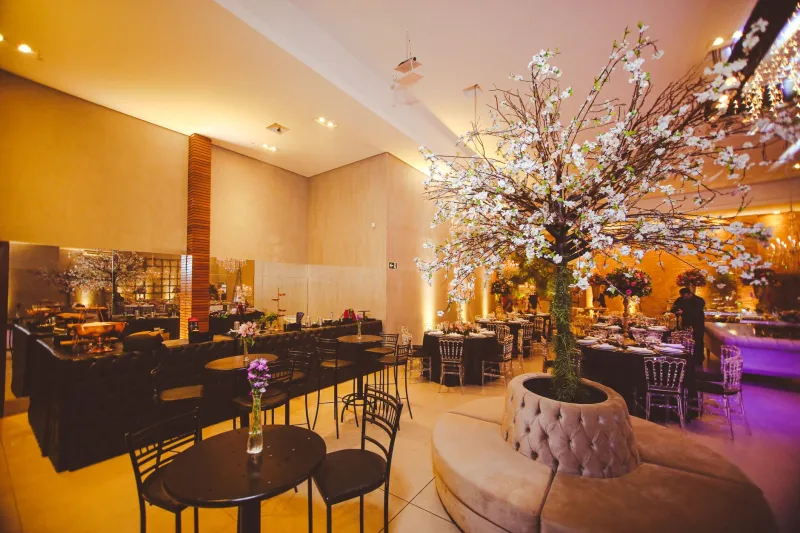
Provide seating — real seating, not just the two sad chairs in the corner that everyone feels weird claiming. Offer food stations instead of (or in addition to) passed appetizers, so guests have a natural reason to wander and a built-in conversation starter. Keep the music at a volume where people can actually talk without leaning in.
You might also consider a shorter cocktail hour. Sixty minutes is the industry standard, but forty-five is plenty — and your introverted guests will thank you for it.
Be Thoughtful About the Ceremony Program
Long ceremonies with lots of audience participation — group readings, call-and-response moments, being asked to greet the people around you — can feel unexpectedly stressful for introverted guests. That doesn't mean you have to strip your ceremony of meaning. It just means being thoughtful about what you're asking people to do.
If you want guests to participate, give them a printed program so they can follow along without anxiety about missing a cue. If you're including a communal moment, frame it gently rather than as a command. Small things, big difference.
The Bottom Line
Planning a wedding that works for introverted guests isn't about dumbing down the celebration or making it less fun. It's about expanding your definition of what a good time looks like — and recognizing that not everyone expresses joy the same way.
The quieter guests at your wedding are often the ones who feel things most deeply. They're the ones who will remember the details, who will write you a heartfelt card, who will tell you years later how meaningful the day was. They deserve a celebration that actually lets them be present for it.
A few chairs in a quiet corner. A seating chart made with care. A cocktail hour where people can breathe. It's not a lot to ask — and it makes your wedding better for literally everyone.