When Your Vendor Vanishes: How to Protect Your Wedding Before Someone Lets You Down
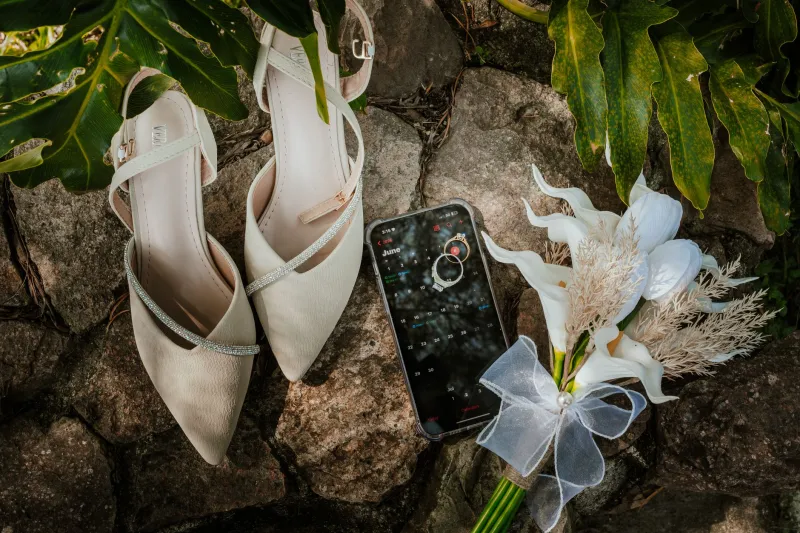
You found the photographer whose feed made you cry happy tears. You booked the florist who just got your vision. You signed the contract, sent the deposit, and exhaled. You were done with that part.
And then — nothing. Emails go unanswered. Calls roll to voicemail. Your wedding is six weeks away, and the person you trusted to capture or decorate or cater your most important day has seemingly evaporated.
This isn't a rare horror story anymore. Across wedding planning forums, Facebook groups, and Reddit threads, couples are sharing eerily similar experiences: vendors who ghost mid-planning, cancel without warning, or simply show up so far below expectations that it might as well be a no-show. It's an industry problem nobody talks about loudly enough — and it's one you can actually do something about before it happens to you.
Why This Is Happening More Often
The wedding industry took a serious hit during the pandemic. Vendors who rescheduled dozens of events simultaneously burned out. Some left the industry entirely. Others overbooked to compensate for lost revenue and are now stretched dangerously thin. Small operations — a solo photographer, a one-person floral studio — don't always have the infrastructure to handle a business crisis, which means your wedding becomes collateral damage when things go sideways for them.
Add in the explosion of newer vendors who entered the market as side hustles, and you've got a landscape where professionalism and reliability vary wildly. That's not a reason to panic. It's a reason to be strategic.
Red Flags You Might Be Ignoring
Some warning signs are obvious. Most aren't. Here's what to watch for during your initial vetting — and throughout the planning process:
Slow communication from the start. If a vendor takes five days to respond to your first inquiry, that's a preview of what working with them will feel like. Responsiveness is a professional standard, not a bonus.
Vague or missing contracts. Any vendor who hesitates to put terms in writing, or sends you a one-paragraph agreement that doesn't cover deliverables, timelines, or cancellation terms, is a risk. Full stop.
No verifiable reviews. A beautiful Instagram presence means nothing without a trail of real client feedback. Look beyond their website — check Google, The Knot, WeddingWire, and Yelp. If reviews are sparse, old, or suspiciously uniform, dig deeper.
Resistance to referrals. Established, confident vendors are happy to connect you with past clients. Reluctance to do so is a yellow flag worth taking seriously.
Mid-planning communication drop-offs. This is one couples often miss. If your vendor was responsive during booking but replies are getting slower and slower as your date approaches, don't assume they're just busy. Follow up proactively and document the conversation.
The Contract Clauses That Actually Matter
A contract is only as useful as what's actually in it. When you're reviewing vendor agreements — or pushing back to add language — here's where to focus your energy:
Substitution clauses. Ask explicitly: what happens if you (the vendor) cannot perform on my date? Can they send a substitute, and do you have approval over who that person is? This matters enormously for photographers and officiants especially.
Cancellation and refund terms. Understand exactly what triggers a refund of your deposit versus forfeiture. Some contracts allow vendors to cancel for any reason and keep your money. That's not okay — push for language that protects you if they initiate the cancellation.
Deliverable timelines. For photographers and videographers, nail down exactly when you'll receive your final files. "A few months" is not a timeline. Sixty days is.
Force majeure language. Post-pandemic, this clause is everywhere — but read it carefully. Overly broad force majeure clauses can let vendors off the hook for situations that have nothing to do with genuine emergencies.
Payment schedule alignment. Avoid paying large sums far in advance. Structure payments so that a significant portion — ideally 25–50% — is due closer to or on the day of the event.
Building Your Backup Plan (Without Spiraling)
Having a contingency plan doesn't mean you're expecting disaster. It means you're a prepared adult. Here's a realistic approach:
Keep a short list of backup vendors in each category. You don't need a full contract with anyone — just do enough research to know who you'd call in a crisis. Bookmark their contact info. Know their general availability.
Use a credit card for deposits where possible. If a vendor disappears or fails to deliver, credit card disputes give you a layer of protection that bank transfers simply don't.
Consider wedding insurance. Policies from providers like WedSafe or Markel offer event cancellation and vendor failure coverage that can reimburse you if a vendor goes dark. It's not expensive relative to what you're spending, and it's worth every penny if things go wrong.
Loop in your planner or coordinator. If you're working with a day-of coordinator or full-service planner, they've almost certainly dealt with vendor crises before. They know who to call. Let them help.
When It Actually Happens: Handling the Emotional Side
Let's be honest — even if you do everything right, you might still find yourself in this situation. And it's genuinely awful. It's not just an inconvenience; it's a breach of trust at one of the most emotionally charged moments of your life.
Give yourself permission to be upset. Then get practical.
Document everything immediately — save all emails, texts, and voicemails. This matters if you need to pursue a refund or file a dispute. Contact your vendor through every channel available, and send a formal written notice (email with read receipt is fine) stating that you consider them in breach of contract if you've received no response by a specific date.
If you're close to your wedding date, prioritize replacement over resolution. You can chase the refund after the wedding. Right now, your energy belongs to finding someone who can show up for you.
And when it's all over — leave an honest review. Not a scorched-earth rant, but a factual account of what happened. Future couples deserve to know.
The Bigger Picture
Vendor relationships are, at their core, professional partnerships. You're hiring someone to perform a service, and you deserve accountability. The couples who come out of difficult vendor situations with the least damage are usually the ones who asked hard questions upfront, read their contracts carefully, and didn't let early warning signs slide because they were too in love with the Instagram feed.
Your wedding deserves better than crossed fingers. Do the work now, so that on your actual day, the only thing you're thinking about is the person waiting for you at the end of that aisle.